A Small Chip in Your Smile? Comparing Options for Front Tooth Repair
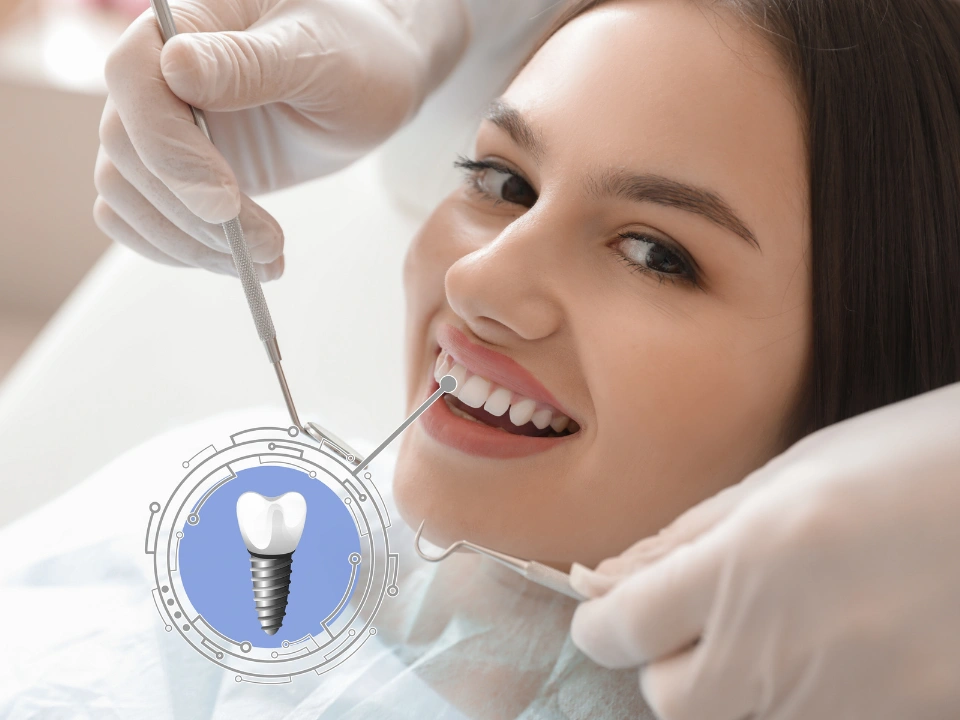
A chipped front tooth can be frustrating, especially when it changes the appearance of your smile or makes you feel self-conscious when speaking. The good news is that several dental treatments can repair minor chips and restore the shape of a damaged tooth. The most suitable option depends on the size of the chip, the condition of the remaining tooth and whether the damage affects its structure. Understanding the available treatments can help you make an informed decision about protecting your smile.
What Should You Do When You Chip a Front Tooth?
Even a small chip deserves attention because the visible damage may not reveal the full extent of the problem. A minor chip affecting only the outer enamel may require a straightforward repair, while a deeper fracture could expose sensitive inner layers or affect the tooth's nerve.
If you chip a tooth, arrange a dental assessment to determine the extent of the damage. Avoid biting hard foods with the affected tooth until it has been checked. If you experience significant pain, swelling or bleeding, seek prompt dental advice.
A few practical steps can help while you arrange an appointment:
- Rinse your mouth gently with lukewarm water.
- Avoid very hot or cold foods if the tooth feels sensitive.
- Choose softer foods and chew on the opposite side.
- Keep any recovered tooth fragments and take them to your appointment.
- Avoid filing or attempting to repair the tooth yourself.
If the chip has left a sharp edge, dental wax may provide temporary protection against irritation to your tongue or cheek. It is not a substitute for professional treatment.
How Dental implants altrincham Patients Consider Fit into Tooth Replacement
When researching dental implants Altrincham, it is important to distinguish between repairing a chipped tooth and replacing a tooth that cannot be saved. These treatments serve different purposes, and the appropriate choice depends on the condition of the affected tooth.
A chipped tooth can often be preserved with a restorative treatment, particularly when most of its structure remains healthy. Depending on the damage, options may include composite bonding, a veneer or a crown.
Dental implants are typically considered when a tooth is missing or must be extracted because it cannot be reliably restored. An implant acts as an artificial tooth root and can support a replacement crown. Treatment involves assessment of the gums, jawbone and overall oral health.
If your front tooth has suffered extensive damage, your dentist will first determine whether it can be repaired. Preserving a natural tooth is often preferable when a predictable restoration is possible, but this depends on the individual clinical situation.
A consultation can help establish the most appropriate approach and explain the benefits, limitations and maintenance requirements of each option.
Ways to Hide a Chipped Front Tooth with Composite Bonding Altrincham
For a closer look at repairing visible chips, read “Ways to Hide a Chipped Front Tooth with Composite Bonding Altrincham”. This related article discusses how tooth-coloured restorative materials may help improve the appearance of a chipped front tooth and what patients should consider before choosing treatment.
The key question is whether the proposed repair will address the damage while preserving as much healthy tooth structure as possible. The appropriate treatment depends on the extent and location of the chip, your bite alignment, and the condition of the surrounding tooth enamel.
A small chip may need only a conservative repair, whereas a larger fracture could require additional protection. Your dentist should explain the available options and whether treatment is intended primarily to improve appearance, restore function or achieve both aims.
It is also important to recognise that all dental restorations require some degree of ongoing care and maintenance. The repaired area may need polishing, adjustment or replacement in the future, depending on the material used and your oral habits.
When Is composite bonding altrincham Treatment Suitable?
The Composite bonding Altrincham is a treatment option worth discussing when a chipped front tooth has a suitable amount of healthy structure remaining.
Composite bonding involves applying a tooth-coloured resin to the damaged area. The dentist carefully shapes the resin to restore the tooth’s natural contour, then hardens and polishes it to achieve a smooth finish that blends with the surrounding teeth.
One advantage is that bonding can often be completed in a single appointment. In suitable cases, it requires little or no removal of healthy tooth structure, making it a relatively conservative approach.
However, bonding is not appropriate for every chip. The material may be less suitable when the damage is extensive, the tooth experiences heavy biting forces or the underlying structure requires additional protection.
Composite resin can also stain, chip or wear over time. Habits such as biting fingernails, chewing pens or using your teeth to open packaging may increase the risk of damage.
At your consultation, ask whether composite bonding is appropriate for the location of the chip and what care is needed to maintain the repair.
Comparing Composite Bonding, Veneers and Crowns
Several treatments may be considered for a chipped front tooth. Each has different benefits and limitations.
Composite Bonding
Bonding is often suitable for minor chips and small changes to tooth shape. It can preserve natural tooth structure and may offer a relatively straightforward repair. However, it may require maintenance and can be less durable than some alternatives in certain situations.
Dental Veneers
Veneers are thin coverings bonded to the front surfaces of teeth. They may be suitable for addressing visible flaws in tooth shape or colour.
Some veneer treatments require removal of natural enamel, and not every patient is a suitable candidate. Your dentist should explain the preparation involved and whether a more conservative option could achieve the desired result.
Dental Crowns
A crown covers the tooth to provide additional structural support. It may be appropriate when a tooth has sustained more extensive damage than a small chip.
Crowns generally involve more preparation than simple bonding, so the decision should be based on the tooth's condition rather than appearance alone.
The best treatment is the one that addresses the damage appropriately while balancing appearance, function and long-term dental health.
What to Expect During a Composite Bonding Appointment
If bonding is recommended, your dentist will first assess the tooth and discuss the proposed result. The shade of the composite material can be selected to blend with your natural teeth.
Depending on the case, the tooth surface may be prepared before the resin is applied. The dentist then shapes the material, hardens it using a curing light and polishes the restoration.
The procedure is often completed in one appointment, although the exact process depends on the complexity of the repair. Your dentist should explain whether you can expect any temporary sensitivity and what care may be needed afterwards.
After treatment, maintain good oral hygiene and attend routine dental reviews. Avoid biting excessively hard objects with the repaired tooth, and contact your dentist if the restoration feels rough, becomes uncomfortable or appears damaged.
How to Protect Your Smile After Treatment
Preventing further damage is just as important as repairing the original chip. Brush twice daily with fluoride toothpaste and clean between your teeth every day. Regular dental examinations can help identify wear, decay or other problems before they become more serious.
If you grind or clench your teeth, discuss this with your dentist. Depending on your circumstances, a protective appliance may be recommended.
If you have another chip, do not assume it can be treated in the same way as the first. The extent of the damage and the condition of the tooth should be assessed again before treatment is selected.
Conclusion
A chipped front tooth does not always require extensive treatment. Composite bonding, veneers and crowns can each play a role, depending on the extent of the damage and the condition of the remaining tooth. A professional assessment helps identify the most suitable option while prioritising natural tooth preservation and long-term function. The Good Dentist Altrincham can help you discuss your concerns and understand the treatment options available for restoring your smile.



Comments
Post a Comment